
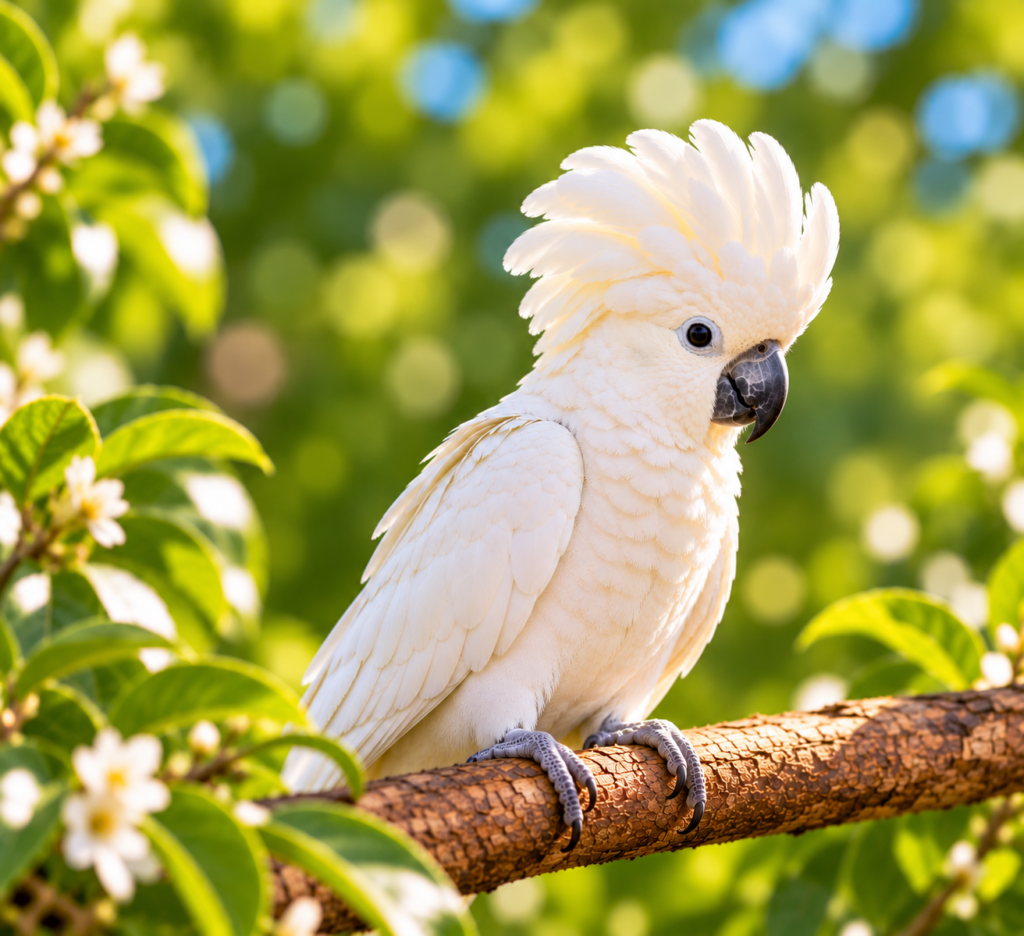
Cockatoo Species Comparison: Choosing a Cockatoo for Your Home
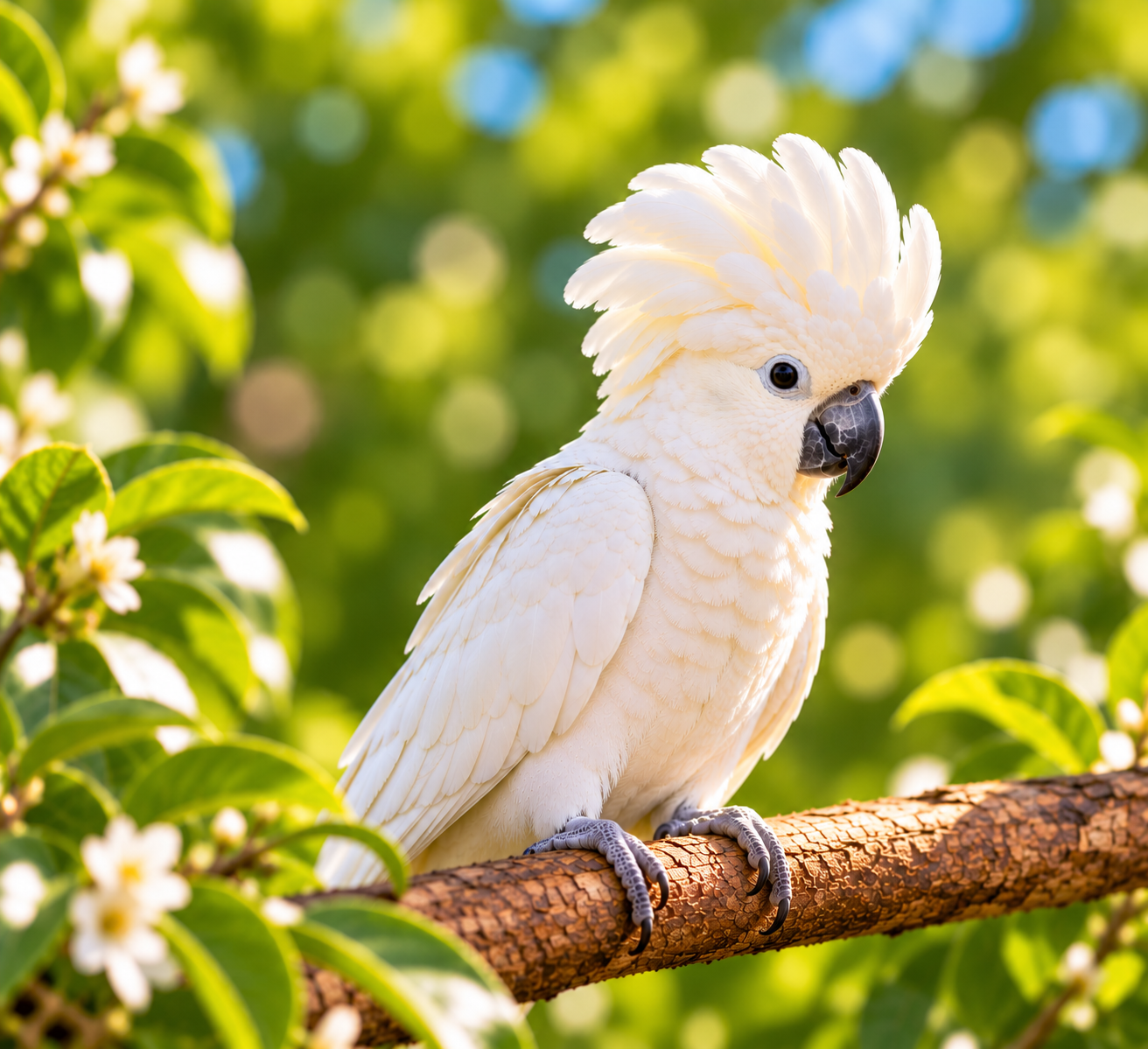
Cockatoos are intelligent, highly social parrots in a family that includes many distinct species. When comparing them as companions, consider adult size, sound, space, daily enrichment, veterinary care, and the needs of the individual bird. Labels such as “cuddly,” “easy,” or “beginner-friendly” do not reliably predict how a particular cockatoo will behave.
Cockatoo species at a glance
| Species group | What to plan for | Research focus |
|---|---|---|
| Goffin’s cockatoo | Smaller than many cockatoos, but still energetic, vocal, and skilled at manipulating objects. | Secure housing, foraging, supervised activity, and noise. |
| Umbrella cockatoo | Large white cockatoo with a prominent crest and a strong voice. | Space, calls, enrichment, and long-term care. |
| Sulphur-crested cockatoo | Large, active bird; several closely related forms are called sulphur-crested cockatoos. | Correct subspecies identification, noise, and specialist care. |
| Moluccan cockatoo | Large cockatoo with demanding social and enrichment needs. | Noise, space, daily routine, and veterinary access. |
| Major Mitchell’s cockatoo | Distinctive pink cockatoo with particular dietary and care requirements. | Experienced avian-veterinary guidance and individual history. |
| Palm cockatoo | Very large, powerful parrot with specialized needs. | Substantial space, specialist experience, and legal sourcing. |
This overview is for planning, not a temperament ranking. A bird’s age, past care, health, environment, and training all shape its behavior. Ask an avian veterinarian about the specific species and bird you are considering.
Compare daily life, not just appearance
Noise and neighbors
Cockatoos can produce loud calls. A single quiet meeting does not represent a normal day, so ask the current caretaker when and how often the bird vocalizes. Consider apartment rules, household members, and neighbors before bringing one home.
Social contact and boundaries
Cockatoos are social, but that does not mean every bird wants constant touch or close handling. Let the bird choose whether to approach. Use calm, reward-based training and predictable routines; do not punish or force contact. Our guide to building trust with a new parrot covers gentle first steps.
Space and enrichment
Plan an enclosure and safe activity area with room to move, stretch, climb, and forage. Cockatoos are strong chewers and need appropriate enrichment that is checked for wear. Secure windows and doors, turn off ceiling fans, and keep the bird away from hot surfaces, fumes, and other pets. Review our bird-proofing checklist before setting up a room.
Food and veterinary care
Work with a veterinarian experienced with birds on a balanced diet, routine examinations, and any species-specific needs. Budget for a large enclosure, durable enrichment, fresh food, and both routine and urgent veterinary care. Our produce guide is a conversation starter, not a substitute for a tailored diet plan.
Questions to ask before choosing a cockatoo
- What is the bird’s health, diet, and handling history?
- Can I hear and observe the individual at different times of day?
- Can my home safely accommodate the bird’s size, noise, and activity?
- Do I have access to a bird-experienced veterinarian and funds for ongoing care?
- What support will be available if the bird develops behavior or health concerns?
Which cockatoo is right for your home?
There is no universally best cockatoo. Compare the care needs of the exact species, then meet the individual and ask a veterinarian or reputable rescue or breeder to help you assess fit. Be prepared to wait or choose another companion if your space, schedule, or noise tolerance cannot support the bird’s needs.
Learn more about the Goffin’s cockatoo, Major Mitchell’s cockatoo, and other birds in our species guides. For general owner resources, consult the Association of Avian Veterinarians.