


Jardine’s Parrot
Jardine’s Parrots are compact, often compared to a ‘mini African Grey’ for their intelligence and talking ability, with a splash of orange in the plumage.
Notify me when available
Be the first to know
Enter your email and we’ll let you know when this bird is back.
Get notified when this bird is available
We’ll only email you about this bird’s availability.
About This Bird
If you’ve been searching for a Jardine’s Parrot for sale from a trusted, experienced breeder, Mo’s Birds is your source for healthy, hand-raised babies ready to become lifelong companions. Known for their playful personalities and impressive talking ability, Jardine’s Parrots are one of Africa’s most underrated treasures, and once you meet one, you’ll understand exactly why dedicated parrot enthusiasts seek them out.
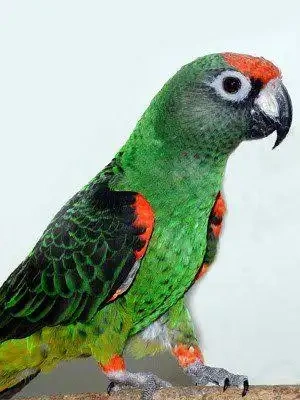
Jardine’s Parrot Personality and Temperament
Jardine’s Parrots, scientifically known as Poicephalus gulielmi, pack an enormous personality into a medium-sized body. These birds are bold, curious, and deeply affectionate with their chosen people.
Unlike some larger parrots, a Jardine’s Parrot tends to be less demanding and more adaptable, making it an excellent choice for both experienced bird owners and devoted first-time parrot keepers. They love to play, explore, and engage with toys, and they form strong bonds with their families.
Jardine’s Parrot Talking and Intelligence
A Jardine’s Parrot from Mo’s Birds comes from stock known for solid talking ability and a knack for mimicking household sounds. Often described as a quieter, more manageable alternative to the African Grey, this species is just as intelligent and benefits from daily mental stimulation, toy rotation, and consistent training.
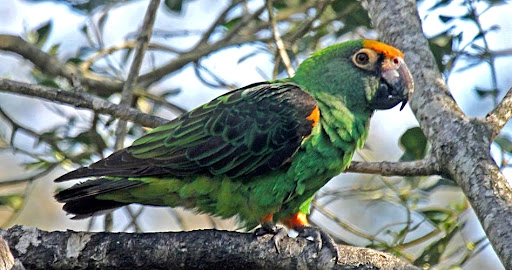
Jardine’s Parrot Care at a Glance
- Lifespan: Up to 30 years
- Size: Medium, about 11 inches and 200–227 grams in the species reference
- Noise Level: Calls can be sharp. Volume varies by individual and situation.
- Diet: High-quality pellets, fresh vegetables, fruits, and limited seeds
- Cage Size Minimum: 24″W x 24″D x 36″H with bar spacing no wider than 3/4 inch
The wild Jardine’s Parrot is native to the forests of equatorial Africa and remains one of the lesser-known Poicephalus species in US aviculture.
Have more questions about daily care, diet, or setting up your bird’s environment? Visit our parrot FAQ for detailed answers from an experienced breeder’s perspective.
Why Buy a Jardine’s Parrot For Sale From Mo’s Birds
Finding a Jardine’s Parrot for sale from a reputable source matters more than most buyers realize. Ask Mo for the hatch and feeding history and the DNA or disease-test records available for a specific bird.
This listing is sold out. Ask Mo about future availability. For a future listing, confirm the written health terms and delivery options for your ZIP code.
Jardine’s Parrot for Sale FAQ
Is a Jardine’s Parrot a good alternative to an African Grey?
Yes. A Jardine’s Parrot is often recommended as a quieter, more compact alternative to the African Grey while still offering strong intelligence and talking ability.
How big does a Jardine’s Parrot get?
A Jardine’s Parrot measures about 11 inches and weighs about 200–227 grams in the World Parrot Trust species reference. Size varies by subspecies and individual.
Are Jardine’s Parrots good for beginners?
With consistent handling, a hand-raised Jardine’s Parrot for sale from Mo’s Birds can suit an attentive first-time parrot owner thanks to its manageable size and adaptable temperament.
How much does a Jardine’s Parrot for sale cost?
Pricing varies by age and availability. Contact Mo’s Birds directly for current pricing on our Jardine’s Parrot babies.
Records, Testing and Reservation
Hatch dates or ages can be provided to the best available estimate and will be labelled as estimates when an exact hatch date is not recorded. Mo can update reserved customers on weaning progress; confirm the individual bird’s readiness before arranging pickup or delivery.
Mo’s Birds screens birds in batches, typically testing one bird in each group of three or five. Batch screening is not an individual test result for every bird and does not guarantee that every bird is disease-free. Individual disease testing is available as an optional add-on; ask which tests and records apply to your bird.
A $50 refundable deposit can be paid by Zelle to reserve a bird after Mo confirms availability. If you cancel, the deposit can be refunded. Confirm the specific bird and payment details directly with Mo before sending money.
If a bird dies within three days of pickup or delivery, contact Mo promptly to discuss a possible replacement bird. A replacement may be offered; this is not a general guarantee covering illness or veterinary costs. Confirm the written terms for your bird before paying.
After pickup or delivery, the buyer is responsible for the bird’s ongoing housing, feeding, daily care and veterinary attention. Ask Mo for the bird’s current diet and a species-specific care poster before bringing it home.
Mo’s Birds delivery fees are $75 for eligible USPS shipments and $200 for Delta Cargo, subject to carrier acceptance, route, weather and the individual bird. USPS adult birds must each weigh more than six ounces and meet its other mailing requirements. Confirm eligibility and the final total with Mo before paying.
Before you reserve
Clear terms, no surprises. Every bird’s availability and readiness is confirmed individually with Mo.
Paid by Zelle after Mo confirms the bird is available. Refunded if you cancel.
Typically one bird in each group of three to five. Individual testing is an optional add-on.
If a bird dies within three days of pickup or delivery, contact Mo about a possible replacement. Not a general illness or vet-cost guarantee.
$75 for eligible USPS shipments, $200 for Delta Cargo. Subject to carrier, route and weather.
Read the full records, testing and reservation terms
Daily care
Jardine’s Parrot care guide
What to have ready before your bird comes home. Ask Mo for this bird’s current diet and routine so the move is easy on it.
Diet
A quality pellet base with fresh fruits and vegetables, and limited seeds. Fresh water at all times. Keep the bird on its current diet at first and change it gradually.
Cage
Roomy enough to spread both wings and climb, with bar spacing suited to the bird’s size. Ask Mo for the minimum cage size for this species.
Daily time together
Supervised out-of-cage time and interaction every day. Parrots bond closely and do best with a steady routine.
Enrichment
Foraging toys, safe things to chew and short training sessions keep a parrot busy, confident and well-behaved.
Vet care
Regular visits with an avian vet are strongly recommended. After pickup or delivery, ongoing care is the owner’s responsibility.
A long commitment
Typical lifespan: Up to 30 years. Plan for housing, diet and care across the bird’s whole life.
Optional add-ons
Ask Mo which records are already available for this bird.
Disease Panel
PBFD, Polyoma, Psittacosis, Chlamydia
DNA Sexing
Lab-certified gender testing — know for sure
Getting your bird home
Pickup and delivery
Three ways to bring your bird home. Mo confirms which options your bird and ZIP code are eligible for before you pay.
Collect your bird in Southern California at a time arranged with Mo.
For eligible shipments. USPS adult birds must each weigh more than six ounces and meet its other mailing requirements.
Air cargo, subject to carrier acceptance, route, weather and the individual bird.
How reserving works
- 1Mo confirms availabilityAsk about this bird and Mo confirms it is available and ready.
- 2Reserve with a $50 depositPaid by Zelle and refundable if you cancel.
- 3Agree pickup or deliveryConfirm the carrier, route and final total with Mo before paying.
You Might Also Like

Brown-headed Parrot
Brown-Headed Parrots are an uncommon, underrated Poicephalus species with a…

Crimson Bellied conures
Crimson-Bellied Conures are a smaller, gentler conure species with a…

Jenday Conure
Jenday Conures are strikingly colored in orange, yellow, and green,…