How Delaying Behavioural Support Can Impact You And Your Bird’s Wellbeing!
Parrots, as prey species, possess a natural inclination to approach new stimuli cautiously. However, individuals experiencing neophobia exhibit an irrational fear of unfamiliar objects or environmental changes. This can result in avoidance behaviours, escape attempts, or prolonged episodes of fear and panic lasting for hours following exposure.
The upbringing of a parrot plays a crucial role in shaping their perception of the world and their behaviour within their environment. Parrots lacking socialisation and desensitisation during early development are significantly more prone to developing neophobia compared to those exposed to diverse experiences, people, and objects.
Furthermore, while environmental factors play a substantial role, research suggests that neophobia can also have a genetic component, with certain individuals being predisposed to heightened aversion to novelty.
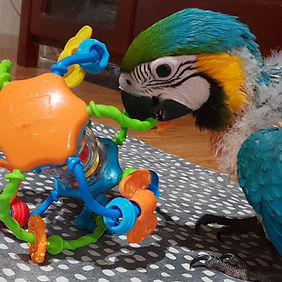
Parrots affected by neophobia may lead unfulfilling and under-enriched lives when their owners hesitate to introduce new stimuli, fearing it might distress their birds. This reluctance can deprive parrots of valuable opportunities for mental stimulation, social interaction, and exploration, ultimately contributing to boredom and behavioural issues. On the other hand, some owners may attempt to force interactions with the new and intimidating stimuli, hoping the parrot will eventually acclimatise. However, this approach often leads to even more intense fear responses, exacerbating the problem rather than solving it.
When dealing with a neophobic parrot, it’s crucial to strike a balance where you neither deprive the bird nor overwhelm it. Here are some tips to help find that middle ground while incorporating desensitisation and counter-conditioning techniques:
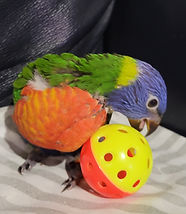
1. Gradual Exposure: Introduce new stimuli to the parrot gradually, starting with low-intensity versions of the feared object or situation, and gradually increasing the intensity as the bird becomes more comfortable.
2. Counter-Conditioning: Pair the presence of the feared stimuli with something positive, such as treats, to create a positive association.
3. Positive Reinforcement: Use treats and praise to encourage the parrot’s exploration and curiosity when exposed to the feared stimuli.

4. Patience and Persistence: Be patient with the parrot’s progress, as desensitisation and counter-conditioning can take time. Consistently offer opportunities for exposure without forcing interaction.
5. Seek Professional Guidance: Consult with Avian Behaviour and Training Consultant for personalised advice and support.
In conclusion, understanding and addressing neophobia in parrots is essential for their well-being and quality of life. While it’s natural for parrots to exhibit caution towards new stimuli, allowing them to live unfulfilling lives due to fear is not ideal. Finding a balance between introducing new experiences and respecting their boundaries is key. By employing gradual exposure, positive reinforcement, and techniques such as desensitisation and counter-conditioning, we can help our neophobic parrots overcome their fears and thrive in enriched environments.

Remember, every parrot is unique, so patience and persistence are important. Seeking guidance from Avian Behaviour and Training Consultants or veterinarians can provide valuable support tailored to your parrot’s specific needs.
Together, we can build a nurturing and engaging environment where our feathered friends can thrive, enjoying the world around them with happiness and confidence.
Problematic behaviours typically emerge gradually rather than at full intensity. Over time, they can increase in frequency or intensity due to various factors, such as a strong reinforcement history and the bird becoming more proficient through repeated practice. People often notice these early signs and seek advice online or from friends.
Regardless of the specific behaviour—whether it’s screaming, biting, or other behavioural challenges—the most common response tends to be that the bird is “hormonal” or “going through a phase,” usually followed by recommendations to ensure they get 12 hours of sleep by covering them up early. While this advice is often well-meaning, it is not only unhelpful but also inaccurate. It can lead people to believe that the behaviour will simply “pass” on its own, causing them to overlook the real triggers and underlying causes. In most cases, this approach doesn’t resolve the issue; instead, the behaviour typically persists and often intensifies over time. Failing to address the true cause and implementing a variety of strategies in an attempt to “see what sticks” can also trigger other problematic behaviours.
This then leaves the caregiver feeling defeated and helpless, as if they are caught in a never-ending cycle of trying to manage behaviours without understanding why they’re happening. Over time, the burden of these problematic behaviours weighs heavily on them, especially when dealing with behaviours like excessive vocalisations or intense aggression. The constant struggle can lead to conflict within the household, increased stress, and feelings of frustration. Caregivers may start to doubt their ability to provide the support their bird needs, and the emotional toll can be exhausting.
It’s at this point that many people reach out to professionals for help. While, from a behavioural perspective, it’s not too late to address these issues at their root cause, by this stage, caregivers are often mentally drained and may not have the capacity to put in the hard work needed to tackle the problem. The emotional exhaustion can make the journey toward resolution feel daunting, even though support and strategies are available to bring about positive change.

If you’re noticing warning signs that your bird may be developing problematic behaviours, it’s crucial to seek help from a professional as soon as possible. The longer a behaviour is allowed to persist, the more ingrained it can become, making it harder and more time-consuming to resolve. On the other hand, the quicker you address the behaviour, the easier it is to get it under control. Early intervention is key to preventing escalation and ensuring that issues don’t become more deeply rooted over time.
Most problematic behaviours can often be completely avoided through proactive measures. By understanding the risk factors, recognising early signs, and implementing positive strategies, you can guide your bird toward healthier behaviours before they have the chance to develop into something more difficult to manage.
Taking these proactive steps not only helps in preventing issues but also strengthens the bond between you and your bird, creating a positive environment where good behaviours can thrive. Remember, seeking help from a professional early not only supports your bird’s wellbeing but also ensures that you can continue enjoying a fulfilling and harmonious relationship with them. The sooner you take action, the sooner you can enjoy peace of mind, knowing you’re on the path to a healthier, happier life for both you and your bird.